
Meditation Meets Machine: How AI Is Transforming Mindfulness
Dive into the Intersection of Ancient Practices and Intelligent Technology for a More Conscious Digital Age

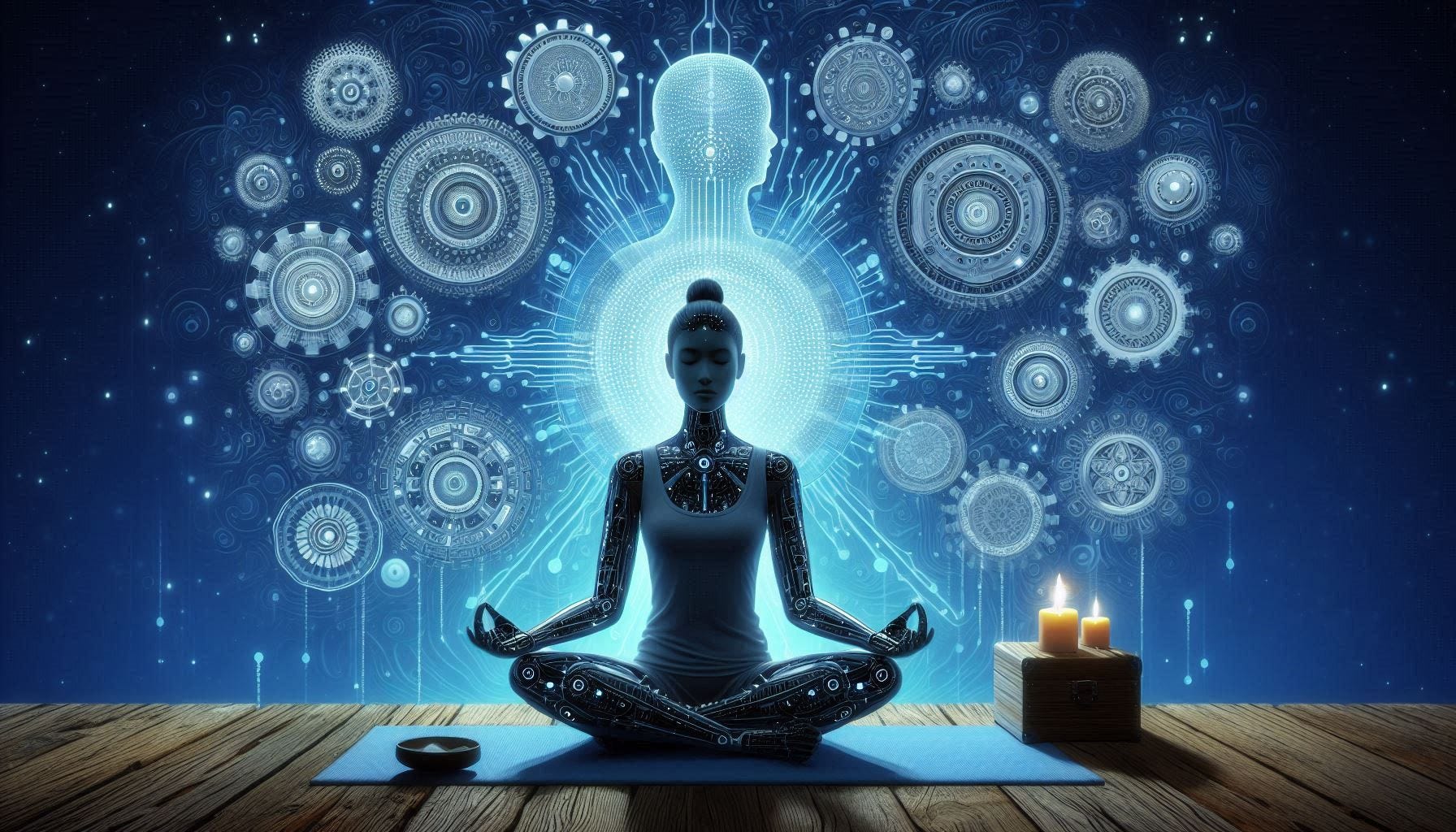
In a world constantly driven by technology, mindfulness has become more crucial than ever. As people seek refuge from digital overwhelm, a fascinating irony has emerged: artificial intelligence (AI)—the very force behind our fast-paced lives—is now being harnessed to help us slow down. From guided meditations and personalized breathing exercises to emotion-tracking wearables, AI is transforming how we experience mindfulness.
This convergence of ancient practice and modern innovation is opening new doors for spiritual exploration and emotional well-being. But how exactly is AI influencing mindfulness? And can machines truly guide us to a more conscious, present state of being?
The Evolution of Mindfulness Tools
Traditional mindfulness practices often rely on self-discipline and consistent effort. Think silent retreats, meditation cushions, and daily journaling. While these tools are still incredibly powerful, they can be intimidating or inaccessible to many.
AI has introduced a new wave of intuitive, user-friendly technologies that make mindfulness more approachable. Apps like Headspace and Calm use machine learning to tailor meditation sessions based on your stress levels, mood, and past activity. Some platforms can even analyze your tone of voice or facial expression to recommend specific practices in real time.
Wearables like Muse and Fitbit go a step further by offering real-time biofeedback. These devices track brain activity, heart rate, and breathing patterns, using AI to alert you when your mind wanders and guide you back to focus. This fusion of data and meditation has turned self-awareness into something not just felt—but also measured.
Personalized Spiritual Coaching with AI
One of the most intriguing developments is the use of AI as a spiritual guide. Some platforms now offer chatbot-based spiritual coaching, where natural language processing (NLP) allows the AI to engage in thoughtful, even compassionate conversations. These tools don’t replace human mentors or traditional wisdom, but they do provide accessible, 24/7 support for people navigating their mental and spiritual well-being.
These AI companions are often trained on a wide range of philosophies—from Stoicism and Buddhism to contemporary psychology—providing customized reflections and affirmations. While they may not replicate human empathy, they serve as gentle nudges toward mindfulness in moments of stress or confusion.
Data-Driven Stillness: The Paradox of Tech-Assisted Calm
At first glance, the idea of using complex algorithms to reach a state of inner stillness might feel contradictory. How can something so “unfeeling” as a machine help us access such a deeply emotional and spiritual experience?
But that’s where the paradox lies—and where the potential emerges. When thoughtfully designed, AI systems can amplify our inner awareness rather than distract from it. By tracking subtle physiological changes, suggesting tailored meditations, or even reminding us to pause and breathe, AI becomes a bridge—not a barrier—to consciousness.
This intersection reflects a broader trend of AI in our spiritual lives, where intelligent technologies are being used not just for productivity or entertainment, but for enhancing emotional resilience and inner peace.
The Ethical and Human Element
Of course, no discussion of AI and mindfulness would be complete without addressing the ethical concerns. Can we really trust machines with matters of the soul? Are we outsourcing too much of our emotional and spiritual labor?
The answer lies in balance. AI should serve as a companion, not a crutch. While it can guide, nudge, and reflect, the essence of mindfulness remains deeply human—rooted in presence, compassion, and conscious choice. As we navigate this new frontier, it’s essential to keep our values aligned with our tools.
Conclusion: A New Age of Mindful Tech
As AI continues to evolve, so too does its role in our inner lives. From daily meditations to real-time emotional support, the fusion of meditation and machine is helping people reconnect with themselves in ways previously unimaginable.
Far from being in conflict, technology and spirituality may actually be allies—helping us reimagine how we connect with the present moment in a digital age. And as we integrate AI in our spiritual lives, we may discover that peace of mind doesn’t come from escaping technology—but from reshaping our relationship with it.